BEFORE THE PRODUCT
Why Cultural Knowledge Matters In Design
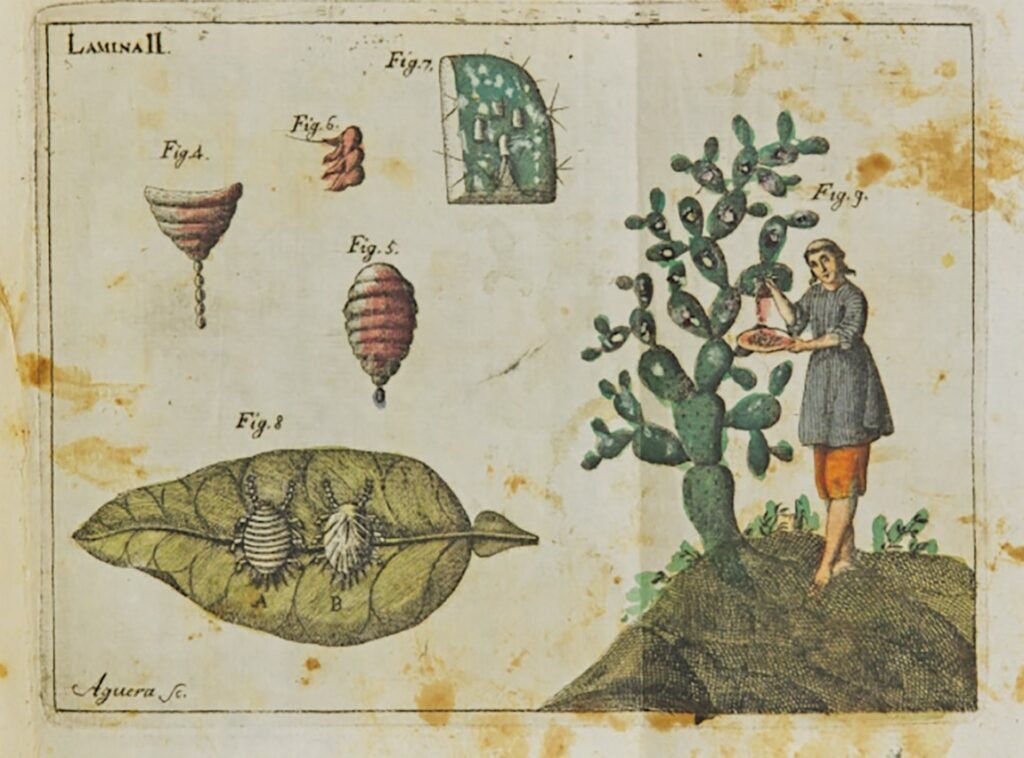
Cultural art is more than decoration. It carries history, memory, and identity. In industries such as fashion, home goods, and retail, these traditions serve not only as sources of inspiration but also as living archives of knowledge, passed from hand to hand through communities and generations. Hiring individuals who understand this context is essential to creating products and experiences that feel authentic, not borrowed.
Today’s consumers seek more than visual appeal. They crave depth and meaningful connection. They want to feel the craftsmanship, understand the process, and engage with the stories embedded in what they buy. When companies bring in individuals with expertise in cultural art, they move beyond surface-level trends. Their products and messaging begin to reflect genuine traditions, grounded in understanding rather than aesthetics alone. That authenticity builds trust, and trust is what creates long-term loyalty.
Cultural expertise is what makes responsible innovation possible. Those who understand the origins and significance of techniques, materials, and patterns know how to create something new without erasing what came before. They help brands design work that feels contemporary while still honoring its roots, allowing tradition to evolve without losing its meaning.
Without this knowledge, cultural references can easily slip into misrepresentation or appropriation. When symbols, motifs, or techniques are used without context, meaning is lost and harm can occur. Hiring those who understand cultural art ensures that traditions are treated with care. Their insight allows brands to tell stories that are accurate, respectful, and grounded in truth, not just marketing shorthand.
Investing in cultural expertise is an act of care, and it gives companies a real advantage. It leads to richer storytelling, more thoughtful product development, and deeper relationships with customers who are increasingly attentive to where things come from and what they represent. Over time, this commitment becomes part of a brand’s foundation, setting it apart in a noisy, crowded world.
Hiring people who understand cultural art is not just about respect; it’s about creating products and experiences that truly resonate. Brands that value this knowledge stand out not only for how their designs look, but for the meaning and integrity behind them.