Caralarga
Home Decor and Jewelry
Where Craft Remembers, and Cotton Speaks
Some stories don’t need to be shouted. They unfold slowly, in the rhythm of braided cotton and the silence of ancestral memory. That’s what it feels like to hold a piece from Caralarga, less like owning something new and more like recovering something forgotten.
Caralarga is a Mexican textile studio I’ve followed for years, not just because their work is visually striking (though it absolutely is) but because of what their pieces remember. Woven into every tassel and fringe is a conversation about labor, land, and legacy, one that feels deeply personal, even though I have never set foot in Querétaro, Mexico.
It Started With a Pile of Cotton
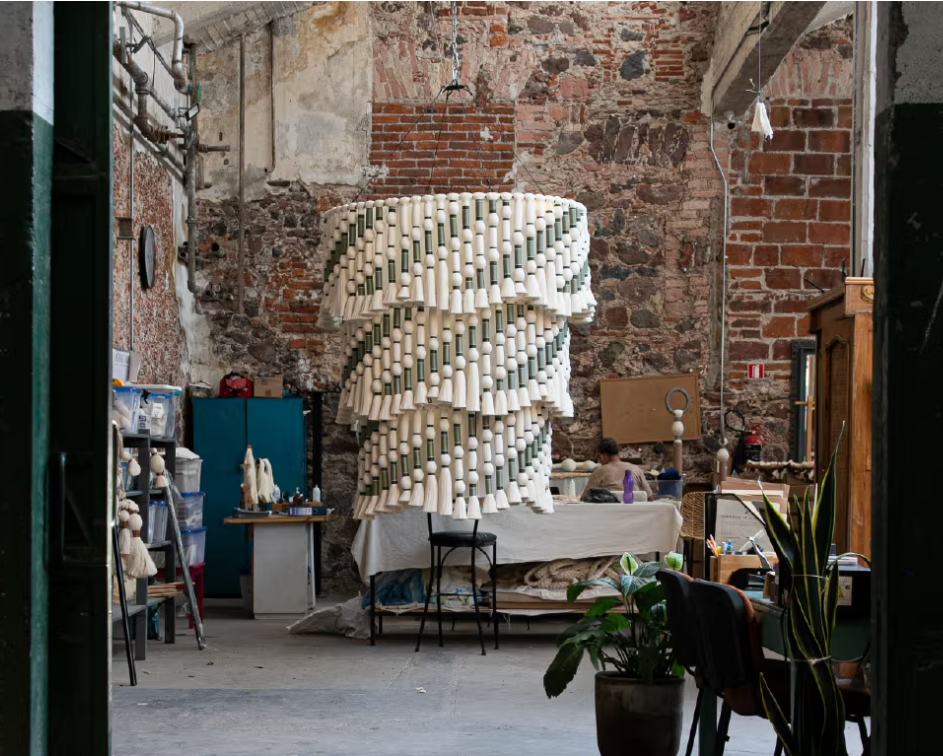
Caralarga started in 2014 in Querétaro, Mexico, inside an old cotton factory known as El Hércules, which has been around since the 1800s. By the time Ana Holschneider and her husband found the factory while searching for a space to open a brewery, it had seen better days. However, what truly caught Ana’s eye wasn’t the old machines or the building itself, but the leftover cotton fibers lying around, soft, raw, and full of possibilities.
Ana wasn’t the only one intrigued. María del Socorro Gasca, a local artisan skilled in jewelry making and weaving, recognized the same potential in those discarded fibers. Together, they started experimenting by braiding and knotting the cotton, allowing their creativity to shine. It was less about creating a business at that point and more about exploring their curiosity and believing that even the most overlooked materials had something valuable to offer.
What began as a simple experiment in repurposing cotton eventually evolved into Caralarga, a brand that creates a diverse range of items. Today, they produce beautiful cotton jewelry, stylish handbags, large wall hangings, unique totems, and artistic décor, all inspired by their original belief: to create things slowly, allowing the materials to tell their own story, and always respecting their origins.
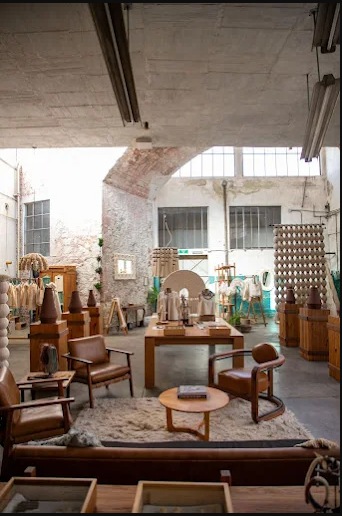
The El Hércules old cotton textile factory serves as the headquarters for Caralarga in Querétaro, Mexico.
Rooted in Tradition
Caralarga doesn’t position itself as reinventing Mexican craft, and honestly, that’s what I respect most. They’re not trying to modernize or “elevate” anything. They’re simply paying attention, listening, and working with artisans who’ve carried these techniques for generations and allowing those forms to evolve naturally into something that feels both rooted and current.
Their materials are humble: raw cotton, iron, and thread, but their forms are architectural. They draw from traditional methods like hand braiding, knotting, and textile wrapping, often found in Indigenous communities across Mexico. They collaborate directly with makers, many of whom learned these skills from their families, allowing the work and the heritage behind it to speak for itself.
Some of their pieces reference Zapotec and Mixtec pictographic patterns, transforming ancient symbols once carved in stone into sculptural fiber reliefs. Others, such as their stacked cotton totems, evoke the Atlantean warriors of Tula, monumental Toltec figures believed to guard sacred ground. They achieve these representations through soft materials and minimalist shapes.
Even their use of color carries ancestral weight. Their studio experiments with natural dyes rooted in pre-Hispanic traditions, extracting pigments from trees, plants, roots, and minerals just as Indigenous dyers have done for centuries. In one of their braided rainbow pieces, the tones aren’t just aesthetic. They’re alive, pulled from the land itself, continuing a lineage of earth-based knowledge.
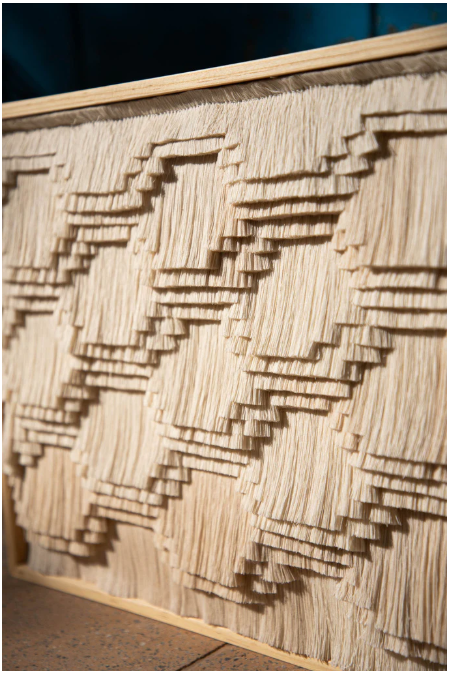
A representation of the pictographic writing of the ancient Mixtec and Zapotec cultures.
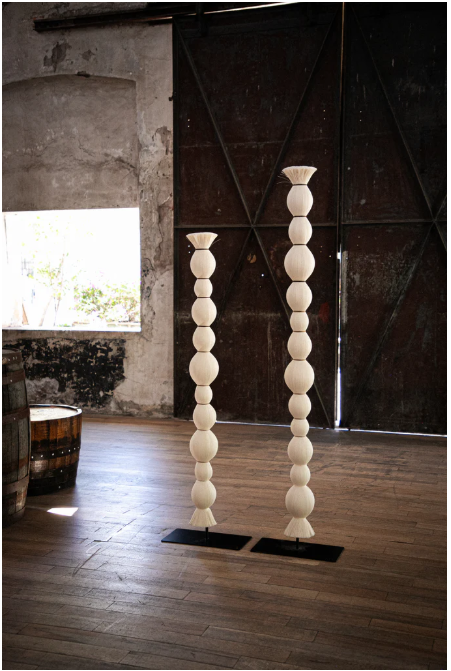
A pair of totems evoke the majesty of the ancient guardians of Tula.
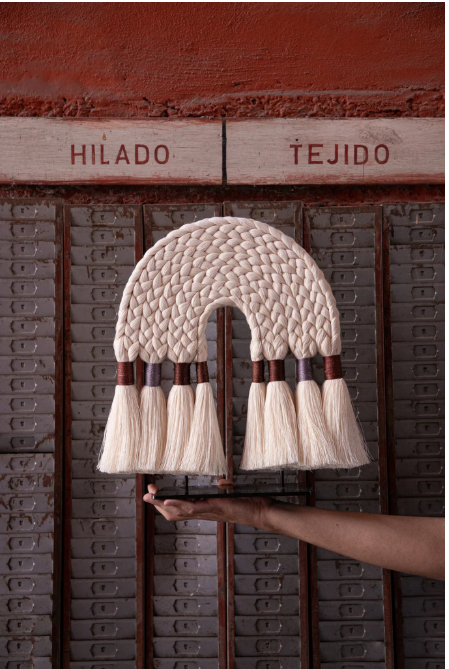
An art piece called Rainbow utilizes ties of naturally dyed yarn made from plants, roots, and minerals.
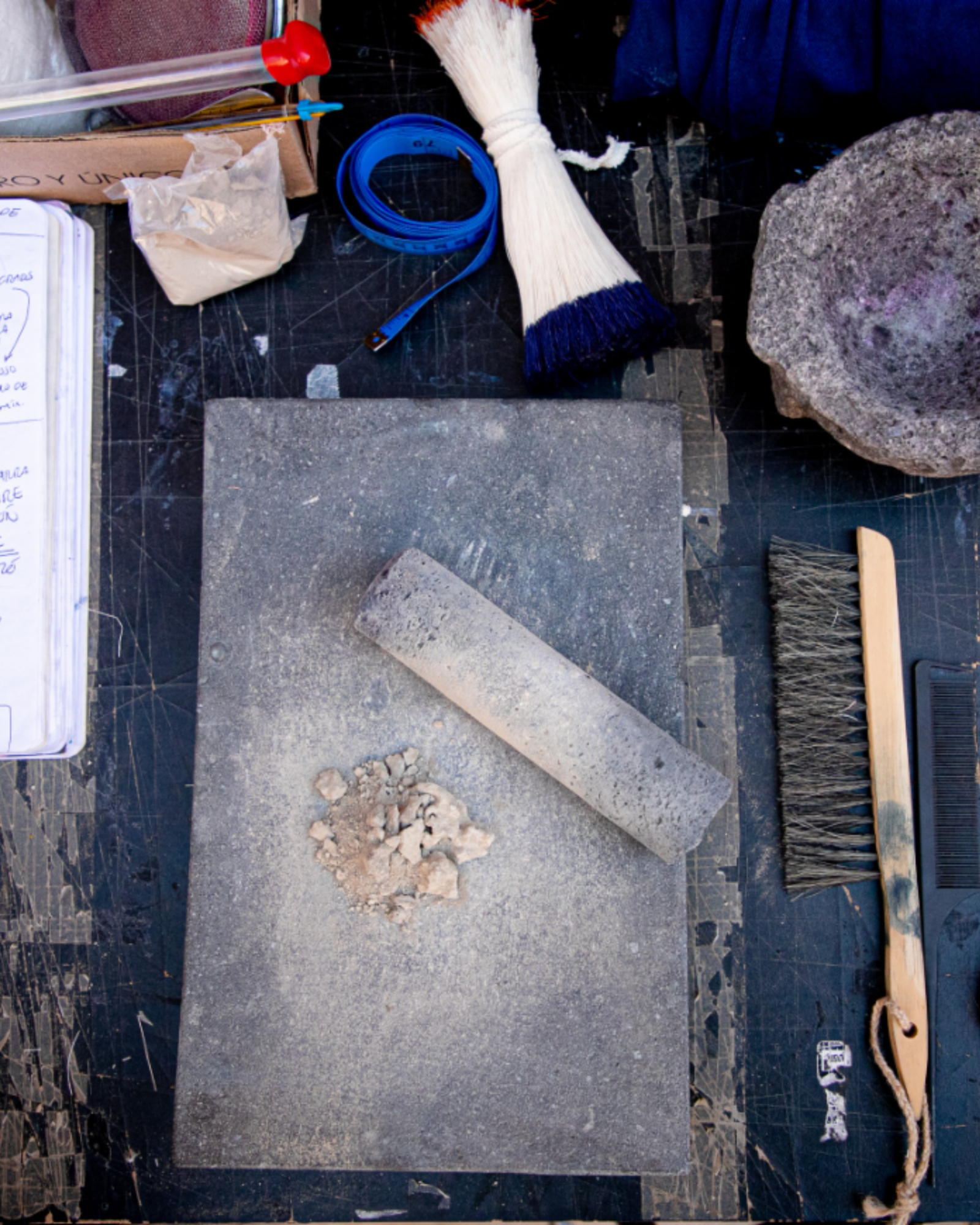
An art piece called Rainbow utilizes ties of naturally dyed yarn made from plants, roots, and minerals.
Waste Isn't the End of the Story
From the beginning, Caralarga has treated waste not as a problem but as a material. Their first pieces came from discarded cotton. Years later, when their larger-scale installations began generating their own waste, including thread trimmings and scrap fiber, they didn’t toss it. They launched a new line.
Their Repurposed Collection turns leftovers into mirrors, cushions, wall hangings, and home pieces with their own quiet magic. You can feel the full-circle energy in them. There’s something deeply poetic about an object made entirely from what was once considered useless.
That practice of reuse runs through the whole company, from how they sort and store materials to how they train their team to work with every possible offcut. It’s not just sustainability as a talking point; it’s a mindset.

The Hupil Tapestry from the Repurposed Collection.
The People Behind the Work
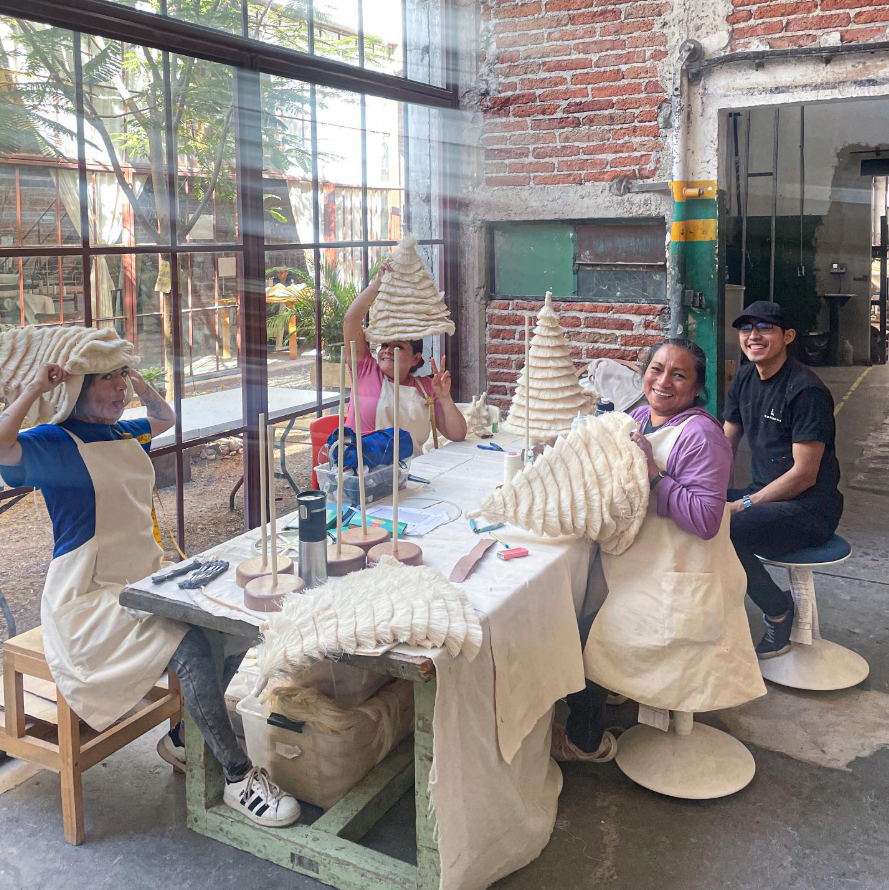
What makes Caralarga’s work feel alive is the people behind it. Many of their artisans come from the Hércules neighborhood or nearby communities. Some are even related to the factory workers who once kept those machines humming.
Today, Caralarga employs over 60 people across design, production, packaging, and administration. Some work in the studio. Others work from home, especially women who partner with the brand through community centers like La Esperanza, where they weave cotton into new pieces while supporting their families.
It’s clear that for Caralarga, sustainability isn’t just about materials; it’s about economic dignity and social well-being. It’s about ensuring that the people doing the work are recognized, respected, and paid fair.
Why It's On My Shelf
Caralarga’s work speaks to something I care deeply about: the intersection of tradition, integrity, and design. Their pieces feel Human. Honest. Connected. There is nothing Caralarga can’t create from a piece of thread, and I can’t wait to see how far their imagination can go.
In a world that moves fast, I’m drawn to things that slow me down. Things made with care. Things made with memory. Caralarga’s work feels like an invitation to pause and remember that even the most ordinary materials can hold extraordinary meaning when shaped with love, skill, and purpose.
That’s the kind of story I want more of in my life. That’s why Caralarga Is On My Shelf.

Conchita earrings – Handmade earrings featuring raw cotton thread and Baroque pearls.
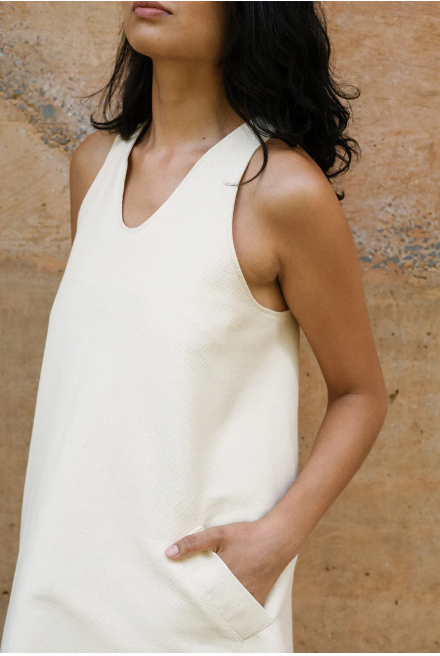
Jumper Becán – Handmade long jumper featuring a V-neck design, crafted from 100% cotton Mallorca fabric.
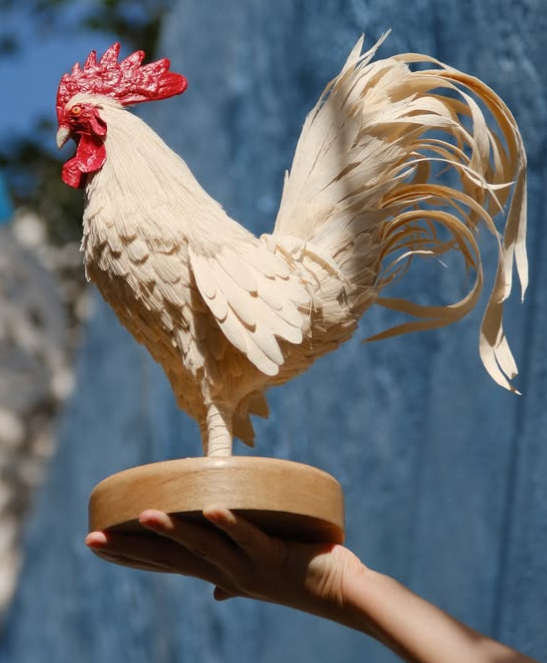
Paper Mache and thread “El Gallo” collaboration with Alex Rios.
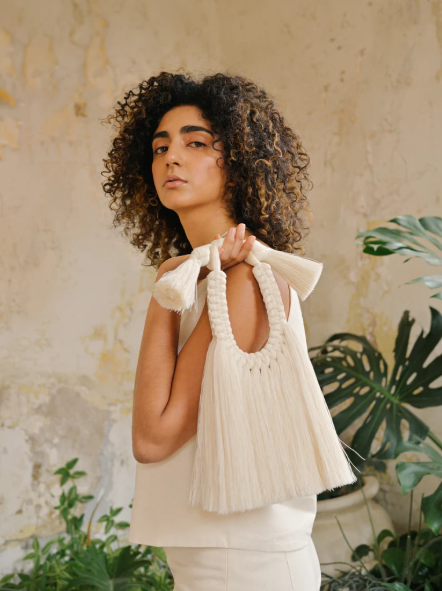
Lluvia Bolsa(Rain Bag) – Bag with 100% raw cotton thread application.